General & Minimal Access Surgeon in Delhi
General & Minimal Access Surgeon in Delhi
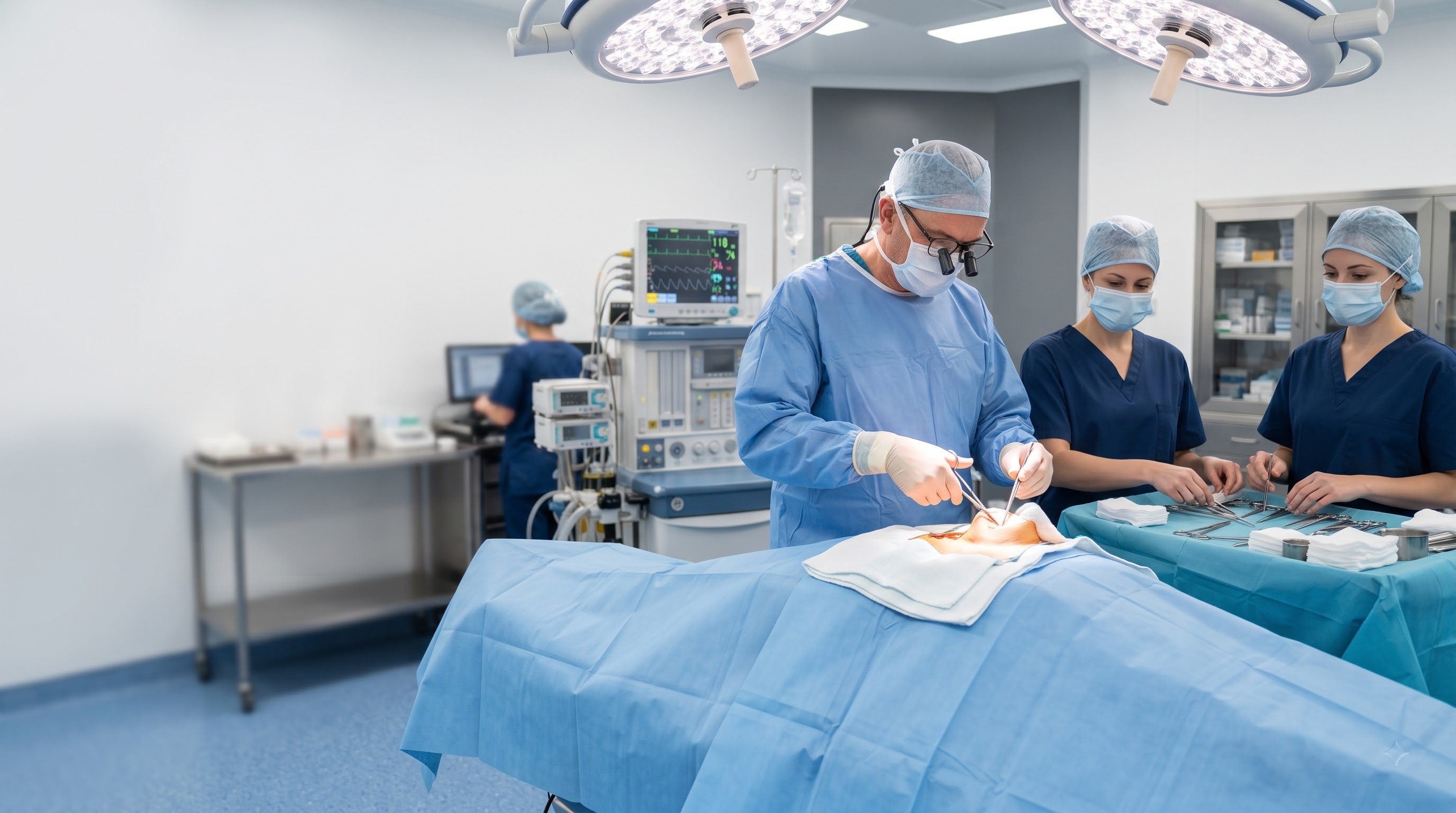
Surgical excellence today requires two distinct skill sets: the broad, foundational diagnostic expertise of a general surgeon, combined with the highly technical, precision-driven skills of a minimal access specialist. I bring both of these disciplines together to offer my patients the safest, most effective surgical care available in Delhi.
Table of Contents
Comprehensive Surgical Care
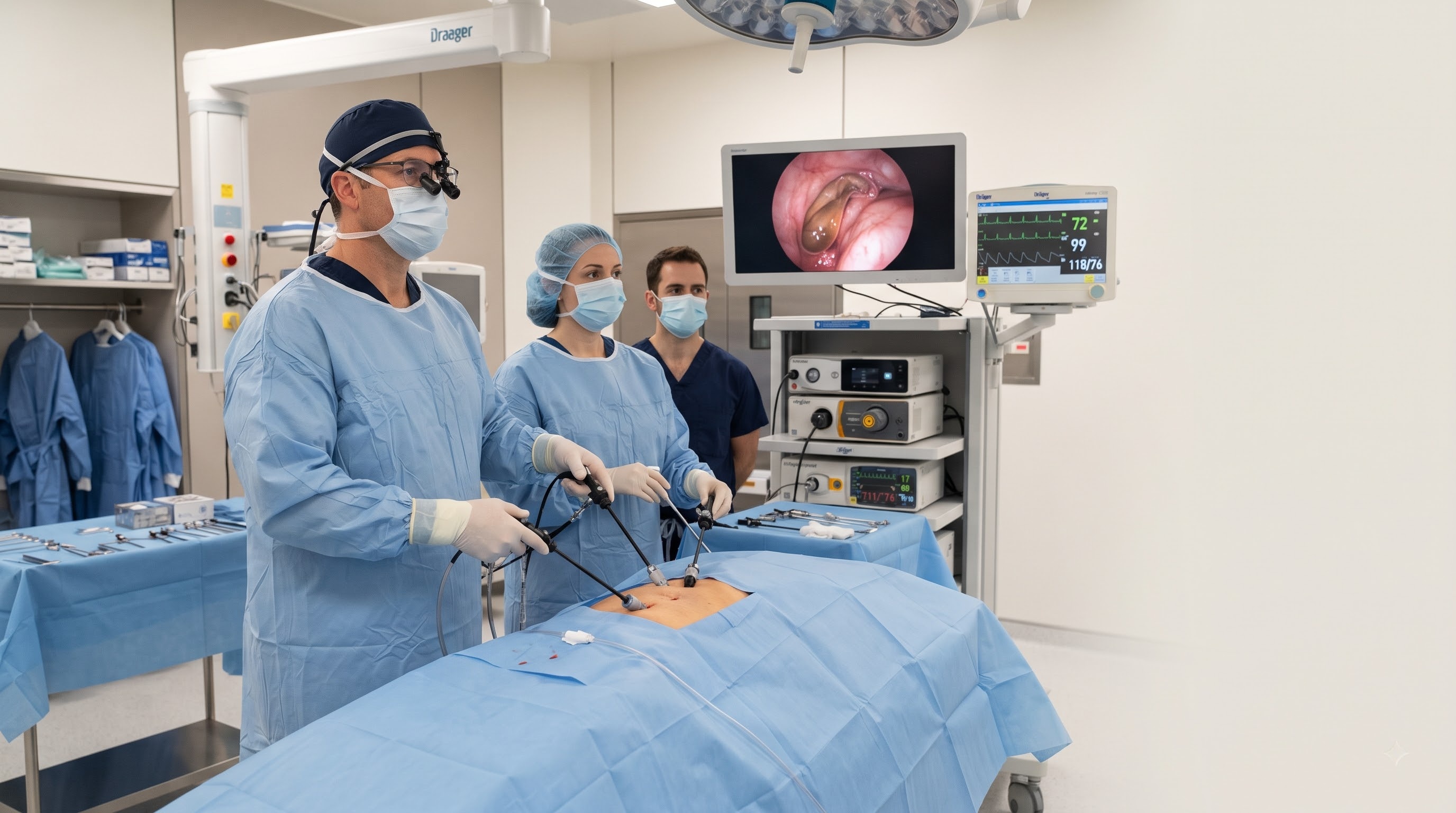
As a general surgeon, I am trained to evaluate and manage a vast spectrum of surgical emergencies and chronic conditions. From acute appendicitis to complex abdominal traumas, having a deep understanding of full-body anatomy is crucial. However, it is my specialization in minimal access (keyhole) surgery that truly transforms the patient experience.
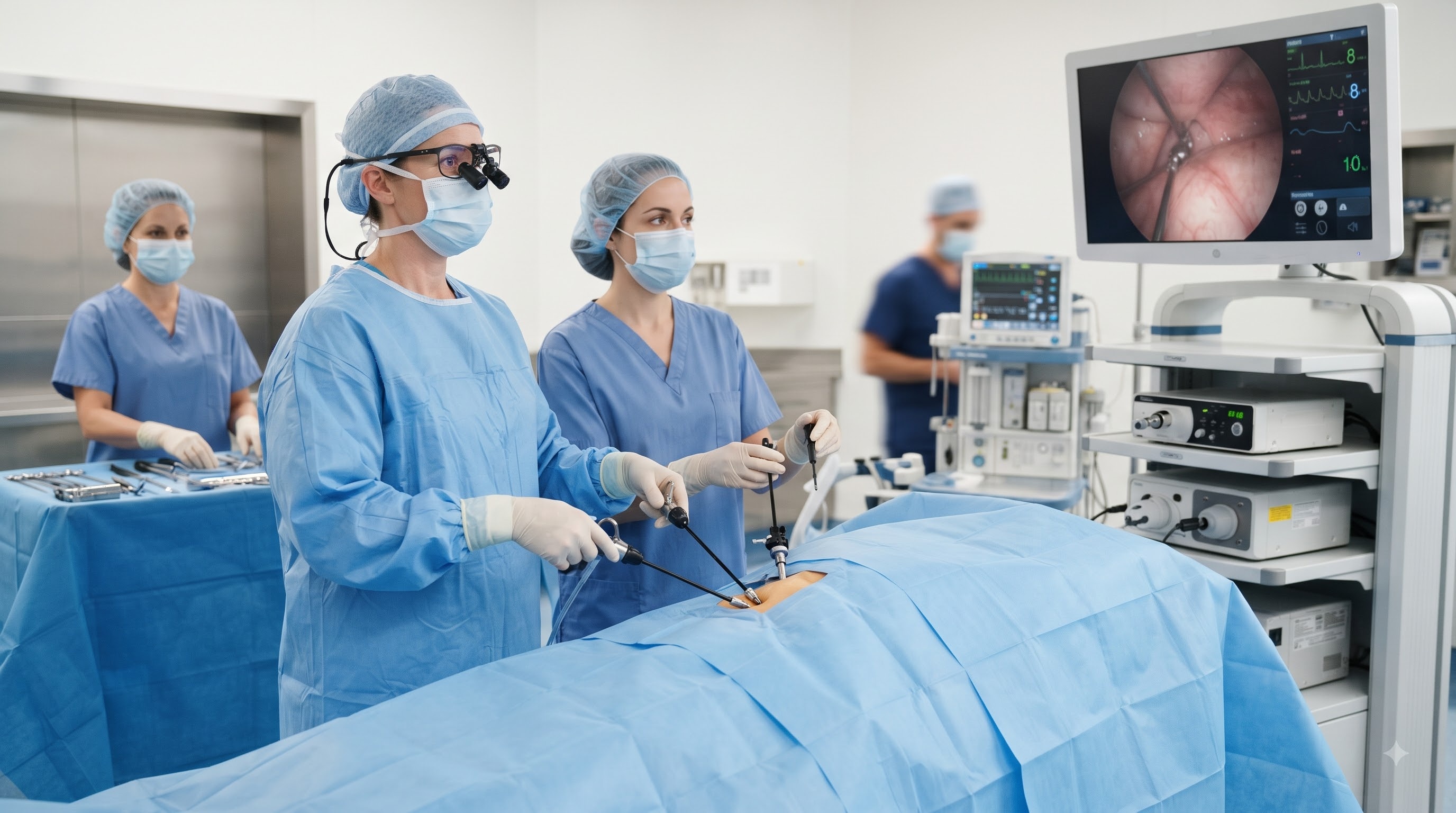
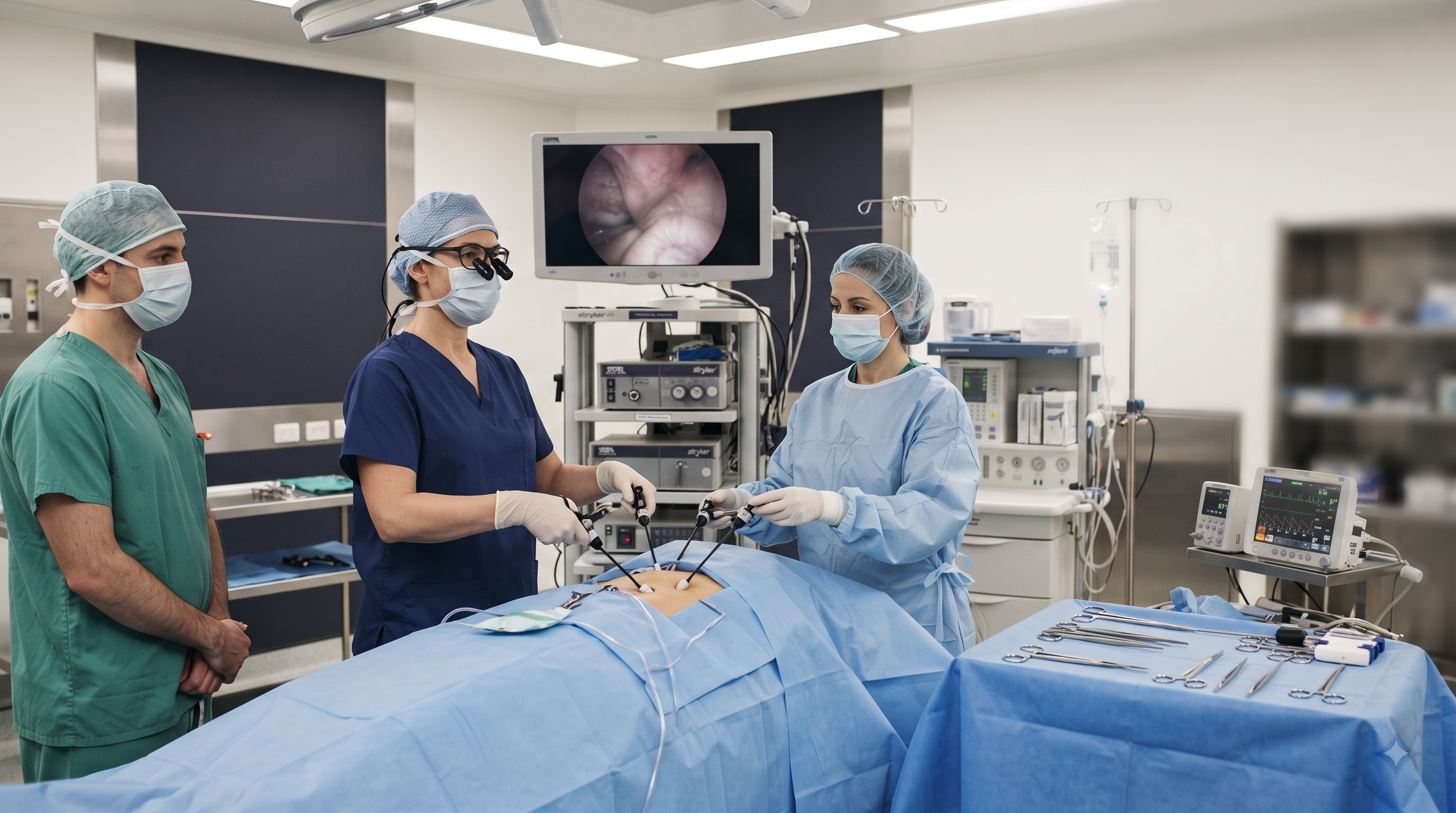
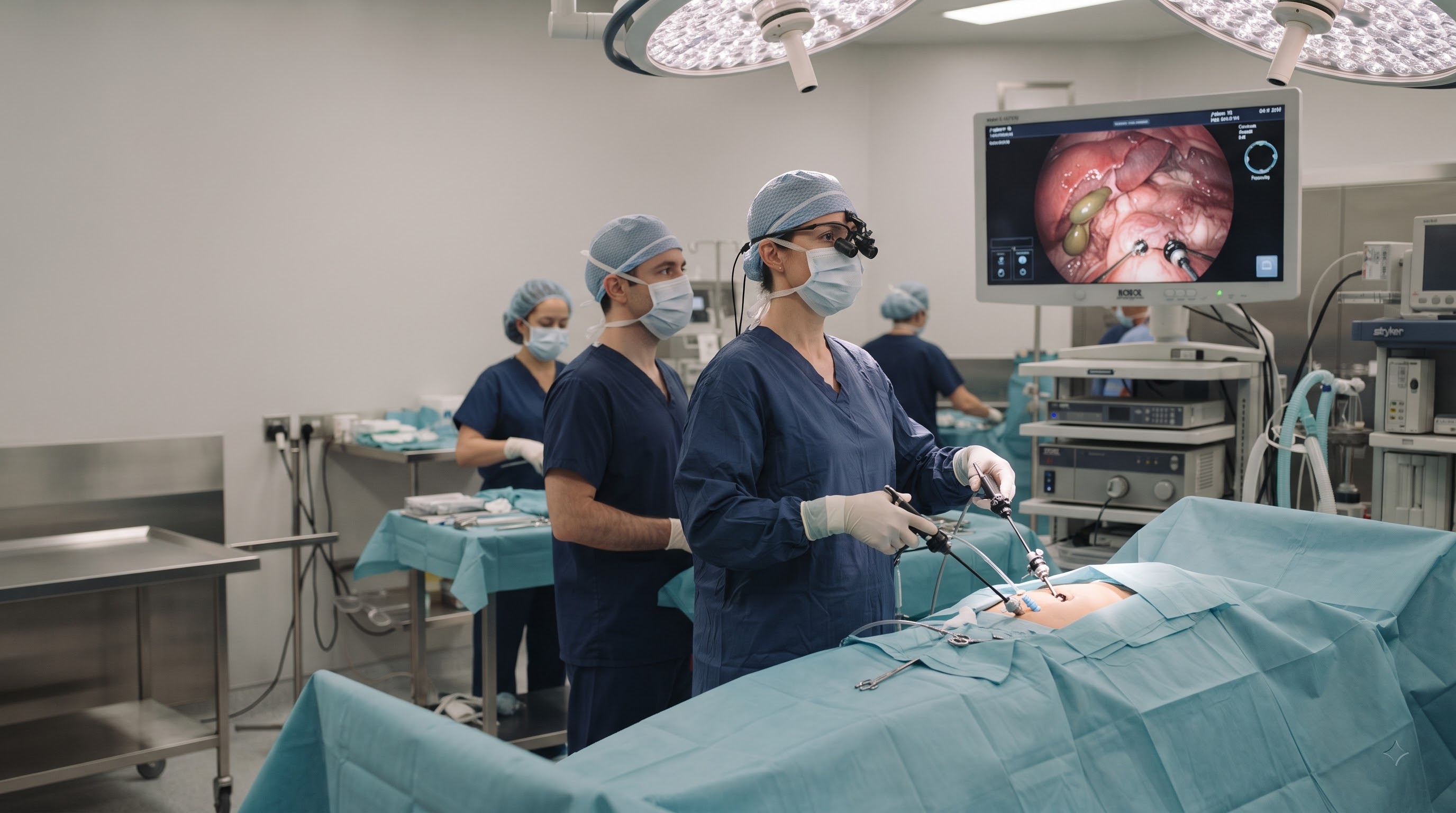
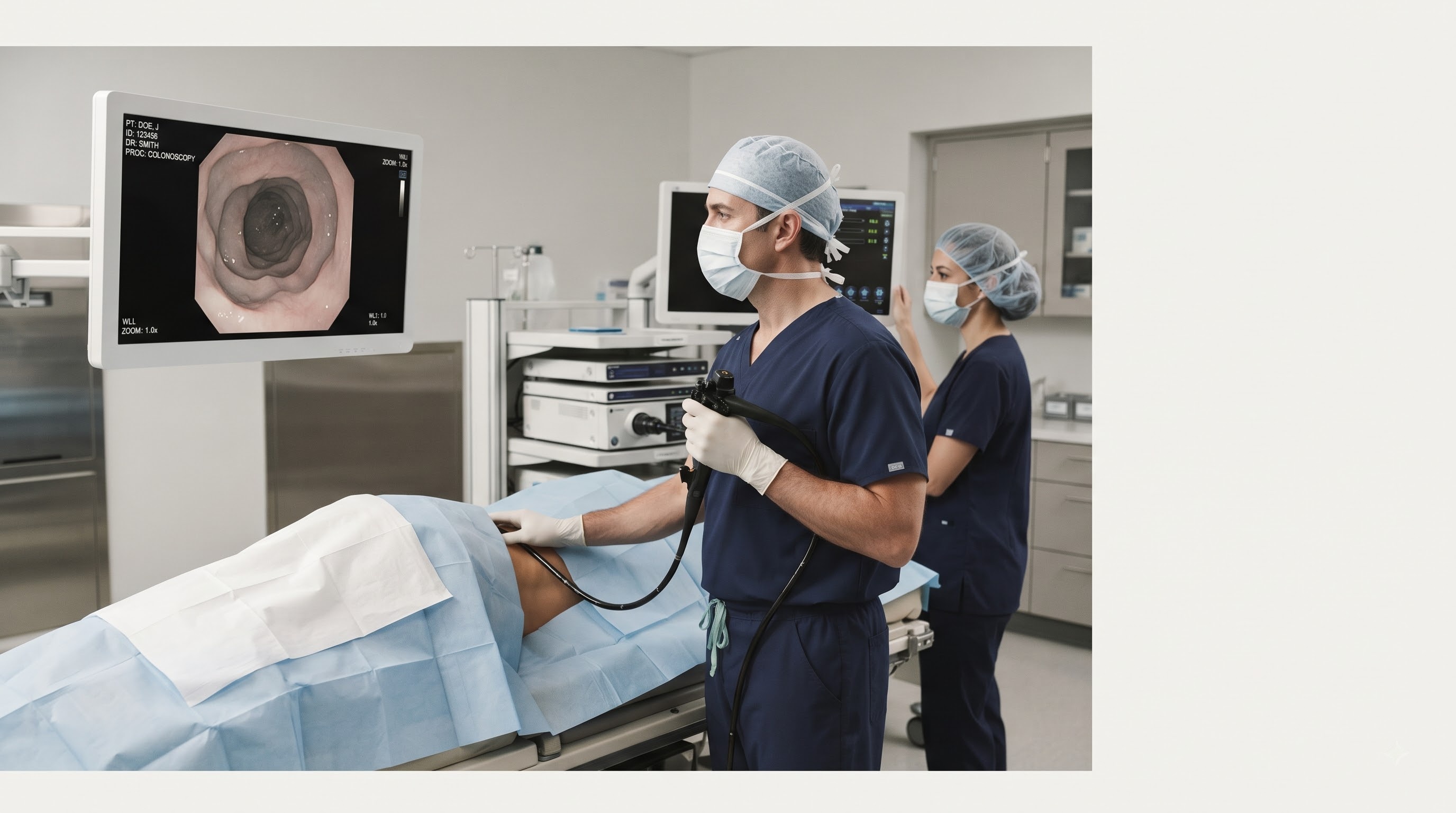
Instead of relying on traditional open surgery, I use high-definition cameras and precision micro-instruments to perform complex procedures inside the abdomen. This fusion of general surgical knowledge with advanced technology means I can handle complex, unexpected anatomical variations safely, without needing to resort to large incisions.
Prioritizing Your Fast Recovery
My ultimate goal is not just to fix the anatomical issue, but to get you back to your family and your career as quickly as possible. By utilizing minimal access techniques, we significantly reduce tissue trauma, drastically lower your risk of postoperative infections, and ensure your recovery is measured in days, not weeks.
Comprehensive Guide to Clinical Care in Delhi
When searching for a highly qualified professional matching "General & Minimal Access Surgeon in Delhi", patients require more than just technical competence; they demand an ecosystem of world-class healthcare, compassionate bedside manner, and cutting-edge facilities. New Delhi, and particularly specialized medical hubs like Safdarjung Enclave, has emerged as a premier destination for advanced surgical interventions. Whether you are dealing with a complex gastrointestinal disorder, a severe hernia requiring immediate attention, or chronic metabolic conditions necessitating bariatric intervention, understanding the holistic approach to surgical care is paramount to achieving a successful outcome.
The Evolution of Advanced Surgical Techniques
Over the past two decades, the field of general and gastrointestinal surgery has undergone a profound paradigm shift. Traditional open surgeries—characterized by large incisions, extended hospital stays, and significant postoperative pain—have largely been replaced by minimally invasive, laparoscopic, and robotic-assisted techniques. As someone actively seeking "General & Minimal Access Surgeon in Delhi", you are directly benefiting from this evolution. These modern techniques involve making micro-incisions through which high-definition 4K optical cameras and specialized instruments are introduced. This allows the surgeon to visualize the internal anatomy with unprecedented clarity, magnifying delicate structures like blood vessels and nerves that would be difficult to isolate in open surgery.
The physiological benefits of this approach cannot be overstated. By minimizing trauma to the abdominal wall, patients experience drastically reduced intraoperative blood loss and a significantly lower risk of postoperative wound infections. Furthermore, the reduction in systemic inflammatory response means that your body can focus its energy on healing the actual surgical site, rather than recovering from a massive abdominal incision. This translates to shorter hospital stays—often just 24 to 48 hours—and a much faster return to your professional and personal life.
Comprehensive Pre-Operative Assessment
A successful surgical outcome is heavily predicated on the thoroughness of the preoperative evaluation. When you consult with Dr. Sonam Tyagi for issues related to General & Minimal Access Surgeon in Delhi, the process begins with an exhaustive clinical assessment. This is not a cursory glance at your medical chart; it is a deep dive into your complete physiological state. We review your detailed medical history, including any previous surgeries, genetic predispositions to specific conditions, and your current pharmacological regimen. Blood thinners, diabetic medications, and antihypertensives must all be carefully managed in the days leading up to surgery to prevent dangerous intraoperative complications.
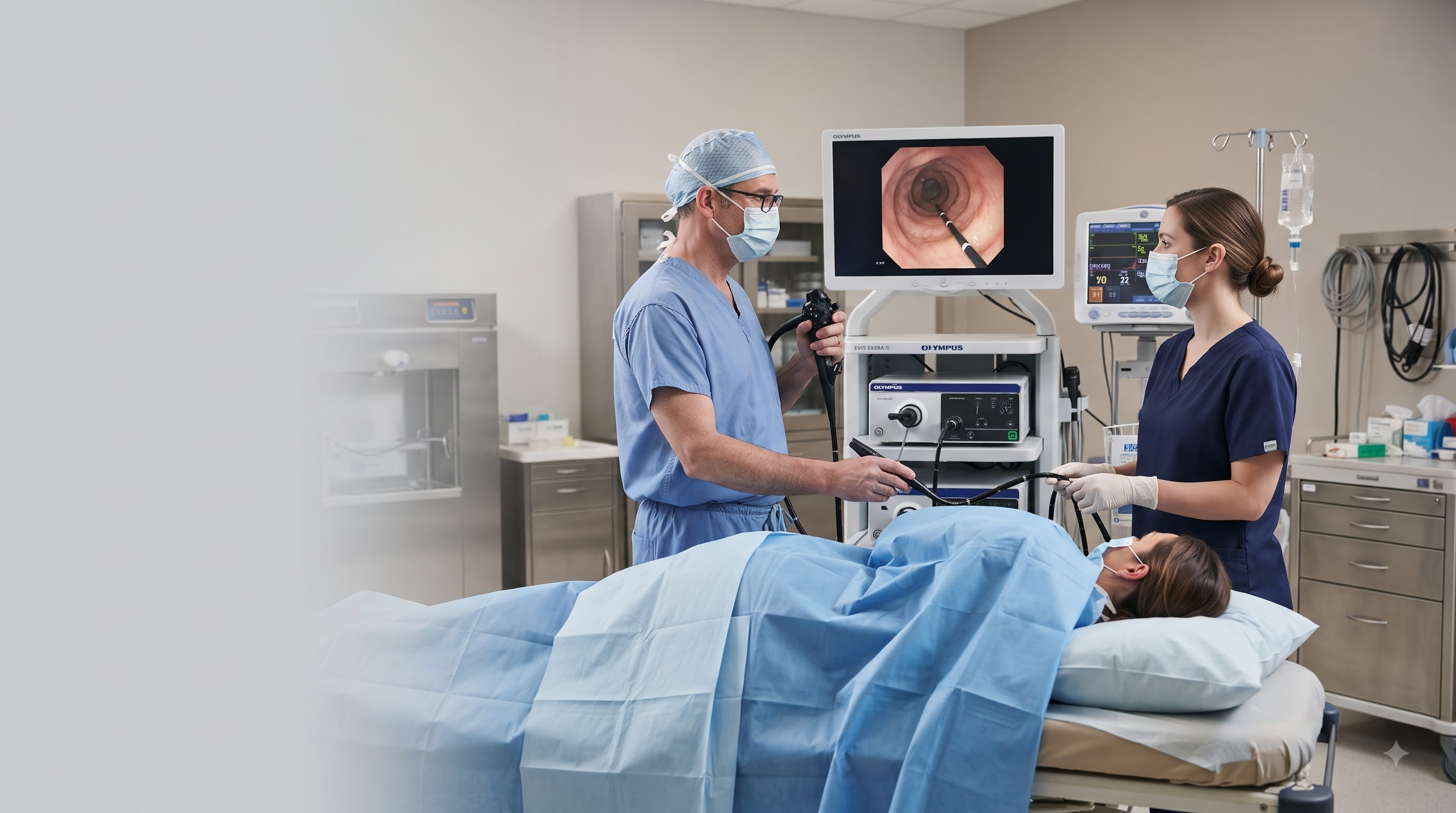
Following the clinical interview, advanced diagnostic imaging is heavily utilized. Depending on your specific pathology, this may involve high-resolution Ultrasound, Computed Tomography (CT) scans with contrast, Magnetic Resonance Imaging (MRI), or diagnostic endoscopy. These tools allow us to create a precise, three-dimensional roadmap of your internal anatomy before the first incision is ever made. This meticulous planning phase allows the surgical team to anticipate anatomical anomalies, select the most appropriate surgical approach, and ensure that the procedure is executed flawlessly.
A Multidisciplinary Approach to Patient Care
Modern surgical care is rarely a solitary endeavor; it requires a highly synchronized, multidisciplinary team. In our clinic in Delhi, your care involves collaboration among several specialized medical professionals. If you suffer from underlying cardiac issues, a cardiologist will provide preoperative clearance to ensure your heart can withstand the stress of anesthesia. If you are diabetic, an endocrinologist will assist in managing your blood glucose levels, which is absolutely critical for postoperative wound healing and fighting off infection.
Furthermore, the anesthesiology team plays a pivotal role. They do not merely "put you to sleep"; they are responsible for intimately managing your hemodynamics, respiratory function, and pain pathways throughout the entire procedure. By utilizing multimodal analgesia—a technique that combines different classes of pain medications to block pain signals at various points in the nervous system—they ensure that you wake up from surgery comfortable and stable, drastically reducing the need for heavy narcotic painkillers that can slow down bowel function and delay your recovery.
State-of-the-Art Surgical Facilities in Delhi
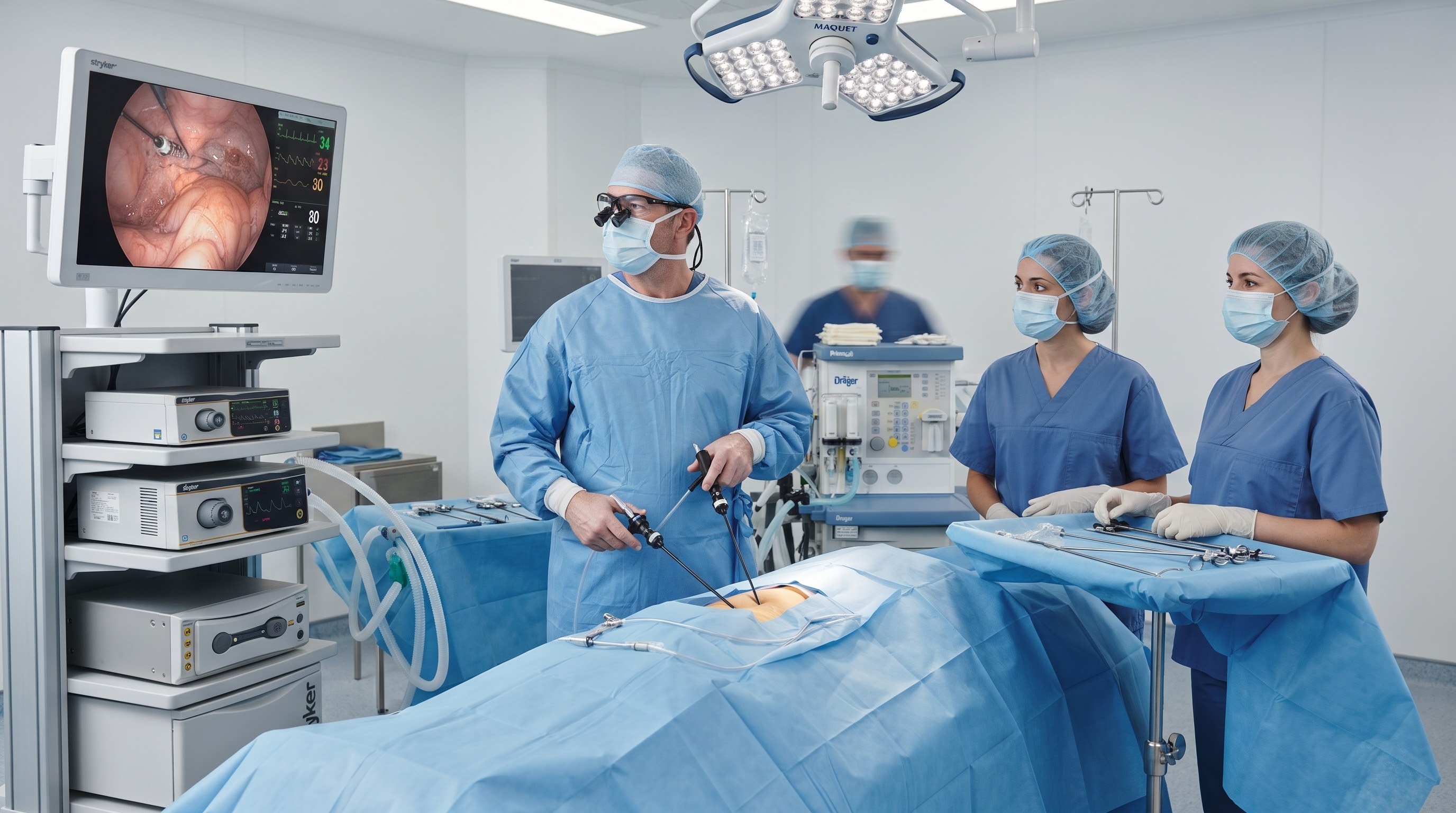
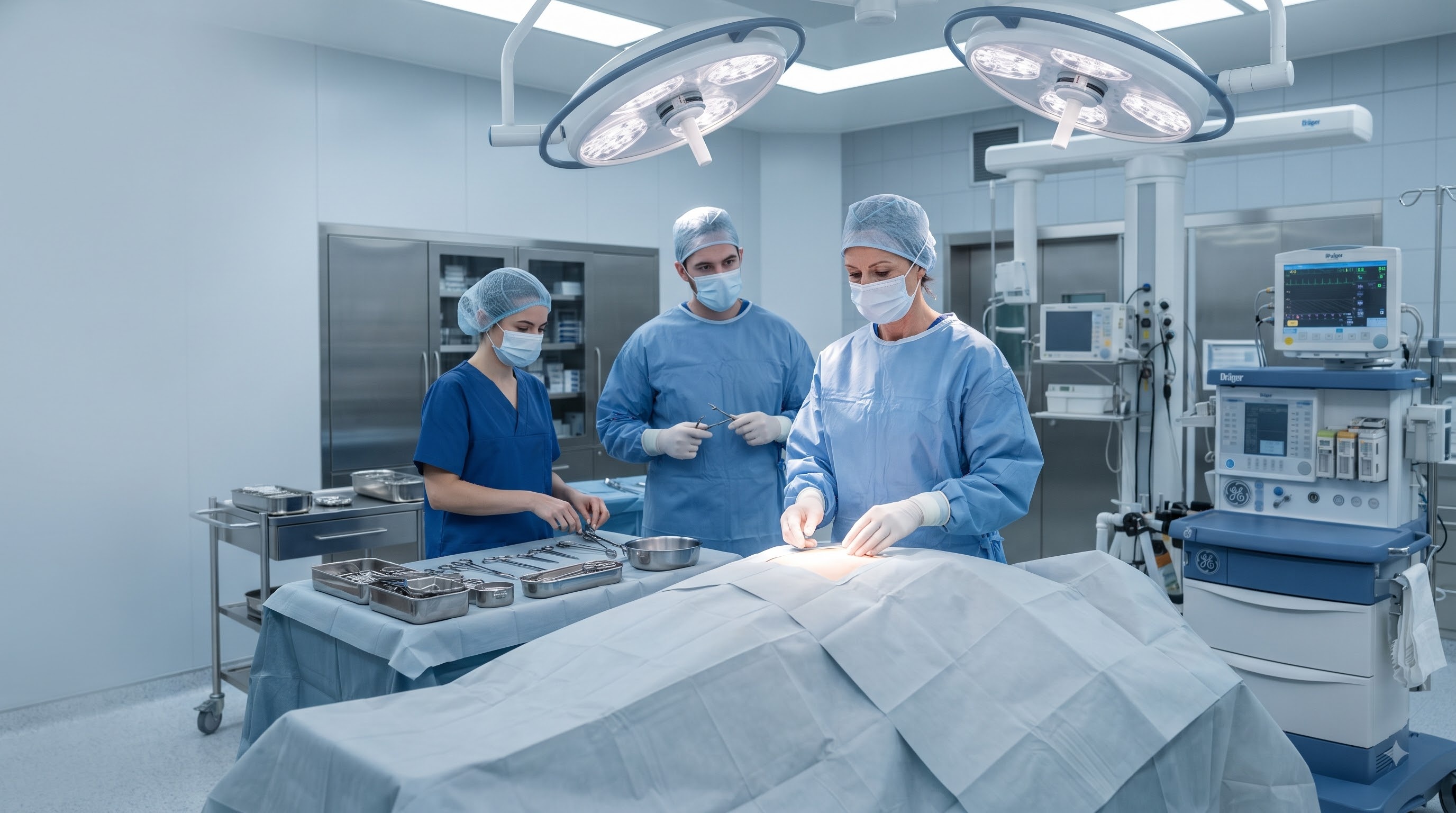
The physical environment where your surgery is performed is just as important as the hands performing it. Our associated facilities in New Delhi are equipped with state-of-the-art operating theaters featuring advanced laminar airflow systems. These highly engineered ventilation systems continuously filter the air to remove microscopic pathogens, creating an ultra-sterile environment that dramatically reduces the risk of hospital-acquired infections.
Inside the theater, the technology is equally impressive. We utilize advanced energy devices for tissue dissection, which cut and seal blood vessels simultaneously, minimizing bleeding to near-zero levels. Advanced hemostatic agents and biocompatible meshes (used in hernia repairs) are sourced from top-tier global manufacturers, ensuring that the materials implanted in your body are of the highest possible quality and durability. This commitment to utilizing premium surgical infrastructure is a cornerstone of our practice and a key reason why patients seeking "General & Minimal Access Surgeon in Delhi" trust us with their care.
Detailed Post-Operative Recovery Protocols
The surgery itself is only the midpoint of your medical journey; the recovery phase is where the healing truly happens. Following your procedure, you will be transferred to a highly monitored Post-Anesthesia Care Unit (PACU), where specialized nurses will track your vital signs continuously. Once you are stable, the focus shifts to Enhanced Recovery After Surgery (ERAS) protocols. ERAS is an evidence-based approach designed to accelerate your recovery and get you home faster.
A major component of ERAS is early mobilization. While it may feel counterintuitive to get out of bed hours after abdominal surgery, walking is critical. It stimulates gastrointestinal motility, preventing postoperative ileus (a temporary paralysis of the bowel). It also expands your lungs to prevent pneumonia and encourages blood flow in your legs to prevent deep vein thrombosis (blood clots). Your diet will also be carefully managed, typically starting with clear liquids and slowly advancing to solid foods as your digestive system regains its normal function. You will be provided with exhaustive, written discharge instructions covering wound care, recognizing warning signs of infection, and a clear timeline for when you can resume normal activities like driving or exercising.
Understanding Surgical Risks and Patient Safety
No surgical procedure is entirely devoid of risk, and absolute transparency regarding these risks is a fundamental ethical obligation. While minimally invasive techniques are exceptionally safe, potential complications such as bleeding, infection, or adverse reactions to anesthesia always exist. However, the true mark of a premier surgical practice is not just surgical skill, but the rigorous protocols in place to mitigate these risks before they ever occur.
This involves strict adherence to surgical checklists, aggressive administration of prophylactic antibiotics prior to the first incision, and continuous intraoperative physiological monitoring. Furthermore, Dr. Tyagi’s extensive surgical volume and specialization mean that she has encountered and successfully managed a vast spectrum of anatomical complexities. Should an unexpected challenge arise during your procedure, you are in the hands of a surgeon who possesses the experience and technical acumen required to navigate it safely and effectively.
The Importance of Long-Term Follow-up Care
Your relationship with our clinic does not end the moment you are discharged from the hospital. Long-term follow-up care is critical to ensuring that your surgical outcome is durable and that your quality of life has genuinely improved. During your postoperative appointments, we will evaluate your incision sites, review final pathology reports (if applicable), and discuss any lingering discomfort you may be experiencing.
For patients undergoing metabolic or bariatric surgeries, this follow-up is lifelong. We continuously monitor your nutritional status, adjusting vitamin regimens and providing dietary counseling to ensure you are losing weight healthily and sustainably. For patients who have undergone hernia repairs or gallbladder removals, we provide guidance on lifestyle modifications to prevent recurrence or manage digestive changes. By providing this continuous, highly personalized support, we ensure that every patient who trusts us with their care achieves the healthiest, most vibrant future possible.
Frequently Asked Questions
How much does General & Minimal Access Surgeon in Delhi cost in Delhi?
The cost varies depending on the specific anatomical complexity, the exact surgical technique (laparoscopic vs open), and the hospital facility chosen. However, we ensure complete financial transparency during your initial consultation with Dr. Sonam Tyagi.
What is the recovery time for procedures performed by a General & Minimal Access Surgeon in Delhi?
Because Dr. Tyagi prioritizes minimally invasive and laparoscopic techniques, recovery is dramatically accelerated. Most patients are discharged within 24 to 48 hours and can return to light activities within a few days, though full internal healing takes a few weeks.
Why should I choose Dr. Sonam Tyagi in Safdarjung Enclave?
Dr. Tyagi offers a rare combination of advanced surgical expertise, a state-of-the-art facility in South Delhi, and a deeply compassionate, patient-first approach that ensures absolute privacy and personalized care.
Ready to consult with Dr. Tyagi?
We ensure absolute confidentiality and world-class care in our South Delhi clinic.
Request Appointment
Discuss your clinical needs directly with Dr. Sonam Tyagi.
Our Surgical Expertise
Detailed Surgical Procedures
Explore our specific procedures designed to address your individual healthcare needs with precision, advanced techniques, and compassionate care.